


Lisianthus, ook wel bekend als Eustoma, is een snijbloem met een lange en complexe geschiedenis die zijn oorsprong vindt in de prairies van Noord-Amerika. In dit artikel wordt uitgelegd waar lisianthus , hoe deze zich heeft ontwikkeld van een wilde prairie-gentiaan tot een commercieel gewas, en waarom deze lisianthus zo’n belangrijke rol speelt in de moderne bloementeelt.
- Inleiding: Waarom het belangrijk is om Lisianthus te kennen
- De Lisianthus : de wilde prairie-gentiaan
- Wetenschappelijke ontdekking: van Eustoma Lisianthus
- Hoe Lisianthus een wereldwijd populaire snijbloem Lisianthus : de Japanse doorbraak
- Lisianthus Europa: van zeldzaam zaadje tot commercieel gewas
- Waarom Lisianthus zo populair Lisianthus
- Duurzaamheid en innovatie: de toekomst van Lisianthus 2026 en daarna)
- Conclusie: Een bloem met diepe wortels en een mooie toekomst
Inleiding: Waarom het belangrijk is om Lisianthus te kennen
Lisianthus wordt tegenwoordig gewaardeerd om zijn roosachtige vorm, stevige stelen en brede kleurenpalet. Wat minder opvalt, is de lange reis die deze bloem heeft afgelegd — van ongerepte prairielandschappen naar gecontroleerde kassen en wereldwijde markten.
Als je weet waar lisianthus vandaan lisianthus , krijg je meer inzicht in het werk van moderne veredelaars en telers. Het verklaart ook waarom deze bloem zich tijdens de teelt, het transport en bij het gebruik in bloemstukken op een bepaalde manier gedraagt.
De Lisianthus : de wilde prairie-gentiaan
Voordat lisianthus een vast onderdeel lisianthus van boeketten en evenementen, groeide hij van nature in delen van Noord-Amerika en Mexico.
Natuurlijke leefomgeving
Lisianthus in:
- rivierbeddingen in de woestijn
- open prairiegebieden
- laaggelegen gebieden waar tijdelijk vocht blijft staan
Deze omgevingen komen vooral voor in:
- Texas
- Nebraska
- Colorado
- Nevada
- Arizona
- Noord-Mexico
In deze gebieden stond de plant algemeen bekend als prairiegentiaan, een verwijzing naar het feit dat hij tot de familie Gentianaceae behoort.
Waarom het daar groeide
Hoewel lisianthus in droge gebieden voorkomt, lisianthus geen woestijnsoort. De plant gedijt op plekken waar met tussenpozen water beschikbaar is — zoals rivierbeddingen, overstromingsgebieden en bodems die na regenval vocht vasthouden.
Daardoor ontwikkelde de wilde plant zich:
- een lage bladrozet die de verdamping beperkt,
- blad met een zachte textuur,
- bloemen in diepblauwe tot paarse tinten die goed tegen fel zonlicht kunnen.
Wetenschappelijke ontdekking: van Eustoma Lisianthus
Lisianthus in het begin van de negentiende eeuw voor het eerst in botanische bronnen Lisianthus .
Botanische mijlpalen
- Rond 1800: de botanicus Thomas Drummond beschreef de soort in de buurt van San Felipe Austin, Texas.
- 1838: de plant werd onder de naam Lisianthus gepubliceerd.
- Bij latere classificaties werd de plant ingedeeld in het geslacht Eustoma, waarbij Eustoma nu als de officiële wetenschappelijke naam wordt erkend.
Beide namen worden vandaag de dag nog steeds gebruikt. In de commerciële bloementeelt islisianthusde gangbare benaming, terwijl in wetenschappelijke en veredelingskringen vaakEustomawordt gebruikt.
Hoe Lisianthus een wereldwijd populaire snijbloem Lisianthus : de Japanse doorbraak
De overgang van wilde plant naar commerciële bloem begon in Japan in de jaren ’30.
Waarom Japan een sleutelrol speelde
Japan stelde het volgende voor:
- uitgebreide expertise op het gebied van de veredeling van sierplanten,
- groeiomstandigheden die zeer geschikt zijn voor lisianthus,
- een al lang bestaande traditie van bloemkunst en verfijning.
Japanse fokkers die zich richten op:
- het verbeteren van de vorm en grootte van de bloemen,
- het ontwikkelen van dubbelbloemige variëteiten,
- het verbeteren van de stevigheid van de stengel en de prestaties na de oogst.
Tijdlijn van de moderne fokkerij
- Jaren ’60: er werden witte en roze kleurmutaties ontdekt, waardoor het kleurenpalet werd uitgebreid tot buiten het blauw en paars.
- Jaren 80: de eerste F1-hybriden, waaronder de Yodel-serie, werden door Sakata Seed Corporation op de markt gebracht.
- Vanaf de jaren 2000: er ontstond een grootschalige wereldwijde productie, waaronder lisianthus die in potten wordt gekweekt.
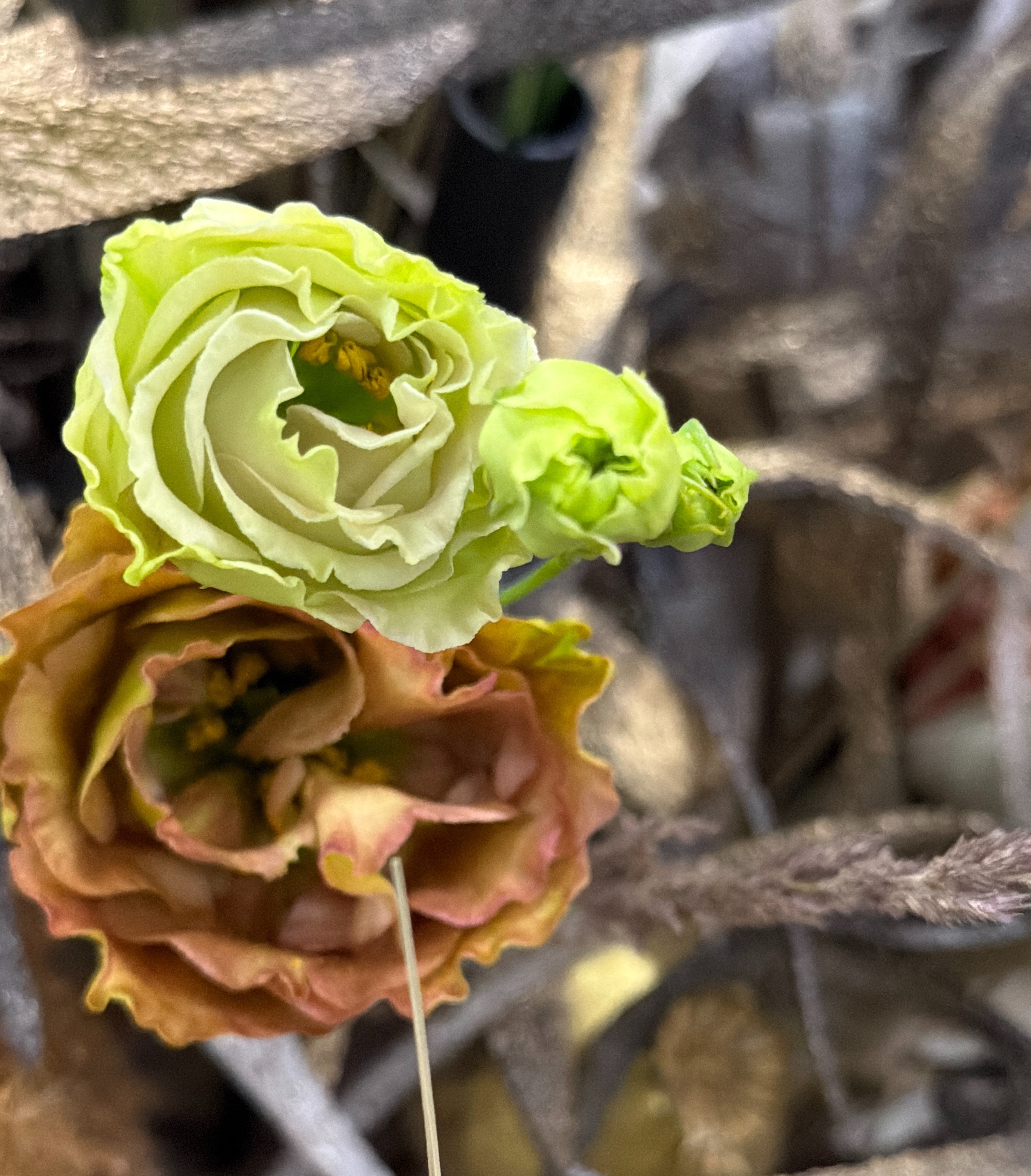
- Tegenwoordig zijn er honderden cultivars, variërend van enkele en dubbele bloemen tot bloemen met gekrulde randen, tweekleurige bloemen en roosvormige bloemen.
Dit veredelingswerk heeft de lisianthus gevormd zoals die tegenwoordig in de professionele bloemsierkunst lisianthus .
Lisianthus Europa: van zeldzaam zaadje tot commercieel gewas
Lisianthus via de volgende route in Europa Lisianthus :
- zaadcatalogi uit het einde van de negentiende en het begin van de twintigste eeuw,
- belangstelling van hobbytuinders,
- de vraag naar zeldzame sierplanten.
Europese telers waardeerden lisianthus :
- zijn roosachtige uiterlijk,
- uitstekende prestaties in vazen,
- geschikt voor zowel gebruik in de tuin als als snijbloem.
Tegen het einde van de twintigste eeuw groeide Nederland uit tot een belangrijk productiecentrum, dat de normen bepaalde op het gebied van kwaliteit, consistentie en innovatie in lisianthus .
Waarom Lisianthus zo populair Lisianthus
Symboliek
Lisianthus vaak in verband gebracht met:
- waardering
- dankbaarheid
- persoonlijke expressie
- verfijnde romantiek
Redenen voor aanhoudende vraag
- het hele jaar door beschikbaar
- lange stelen, geschikt voor grootschalige werkzaamheden
- een breed kleurenspectrum
- heeft een milde geur, waardoor het geschikt is voor gevoelige omgevingen
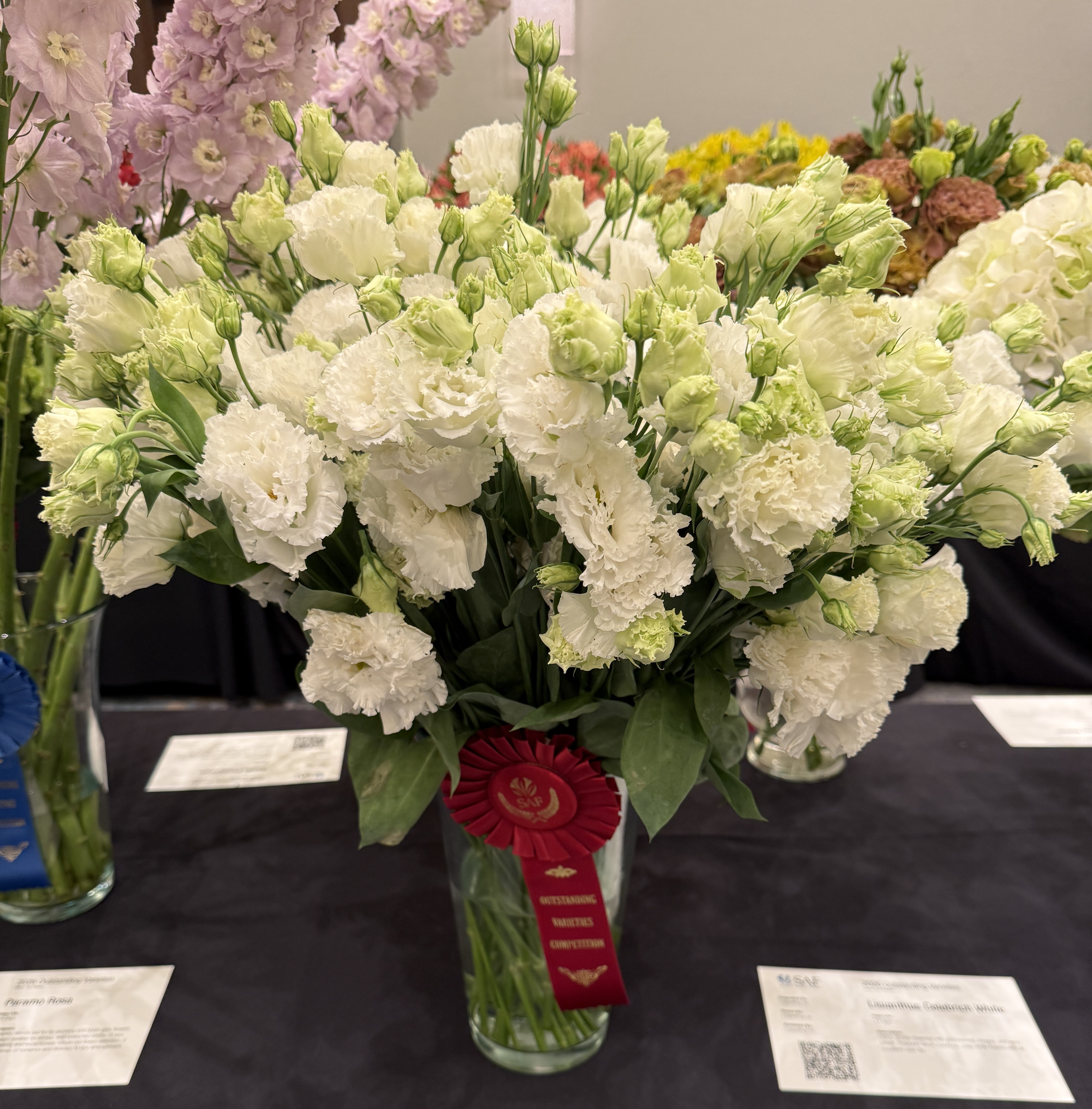
Voor veel ontwerpers lisianthus een uitstekend alternatief voor rozen en past hij zowel bij moderne als bij klassieke stijlen.
Duurzaamheid en innovatie: de toekomst van Lisianthus 2026 en daarna)
Lisianthus en teelt Lisianthus blijven zich aanpassen aan veranderende klimatologische omstandigheden, technologieën en marktverwachtingen. Belangrijke trends die de toekomst bepalen:
- AI-ondersteunde veredeling voor nieuwe kleuren en bloemvormen
- teeltsystemen die het water- en energieverbruik verminderen
- cultivars die zijn ontwikkeld voor een langere houdbaarheid in de vaas en een betere stabiliteit tijdens het transport
- kleinschaligere hybride modellen gericht op gespecialiseerde markten
- op gegevens gebaseerde productieplanning om het oogstmoment af te stemmen op de vraag
Telers die lisianthus met lisianthus werken, bouwen voort op meer dan een eeuw aan ontwikkeling die begon in de prairielandschappen en zich verder uitbreidde via Japanse veredelingsprogramma’s.
Conclusie: Een bloem met diepe wortels en een mooie toekomst
Lisianthus een lange weg afgelegd — van wilde prairie-gentiaan tot een van de meest gebruikte snijbloemen ter wereld. De geschiedenis van Eustoma :
- aanpassing aan de omgeving,
- botanisch onderzoek,
- tientallen jaren ervaring op het gebied van fokkerij,
- en de vakkundigheid van de professionele telers van vandaag.
Terwijl er steeds weer nieuwe soorten op de markt komen, lisianthus een bloem die wordt gekenmerkt door zorgvuldige ontwikkeling en blijvende relevantie binnen de wereldwijde bloementeelt.
.jpg)
