


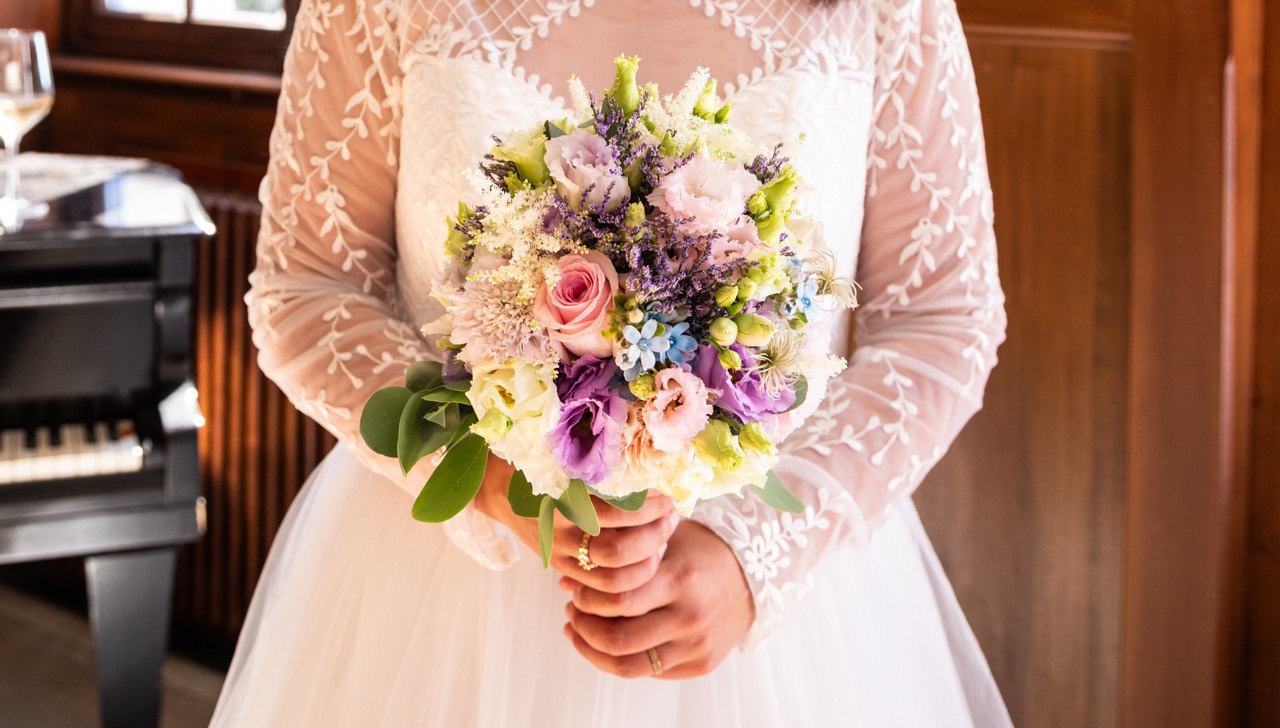
When couples and florists are looking for the ideal wedding flower, lisianthus — also known as eustoma — keeps rising to the top. And it is easy to understand why. This is a flower that looks refined, performs reliably, and adapts effortlessly to almost any wedding style or season. From intimate garden ceremonies to grand celebration halls, lisianthus brings a quiet elegance that photographs beautifully and lasts well beyond the big day. Here are ten reasons why it belongs at every wedding.
1. A world of pink: from blush to deep rose
Few flowers offer the range of pink tones that lisianthus does. From the softest blush and pale champagne to warm dusty rose and deep magenta, there is a shade for every wedding palette. This variety within a single flower family makes coordination effortless. A florist can create a harmonious, gradient-style bouquet using several lisianthus varieties alone — no mixing required. For couples planning a romantic, feminine, or monochromatic floral scheme, lisianthus in pink tones is simply unmatched.
2. Heat and sun resistant: a reliable choice for summer weddings
Summer weddings are beautiful. But the heat can be a real challenge for cut flowers. Lisianthus is one of the few flowers that handles warm conditions genuinely well.
Italian florists — who work in some of the hottest wedding climates in Europe — have spoken clearly about this. The ability of lisianthus to withstand heat and sun makes it a standout choice when other flowers would struggle or wilt prematurely.
This reliability gives couples, florists, and wedding planners the confidence to use lisianthus in outdoor ceremonies, sun-filled venues, and warm-weather celebrations without worry.
3. Exceptional vase life: beauty that lasts
A wedding is a significant investment, and the flowers are a centrepiece of that investment. Lisianthus rewards that investment with an exceptional vase life.
When handled well — with a clean vase, a fresh angled cut, and placement away from direct sun and ripening fruit — lisianthus can stay looking its best for ten days or more. For wedding flowers that need to survive a rehearsal dinner, a ceremony, a reception, and beyond, that longevity matters enormously.
Good vase life also means wedding flowers can be prepared a few days in advance with confidence, reducing stress for florists and couples alike.
4. Use it as a main flower: or as a filler
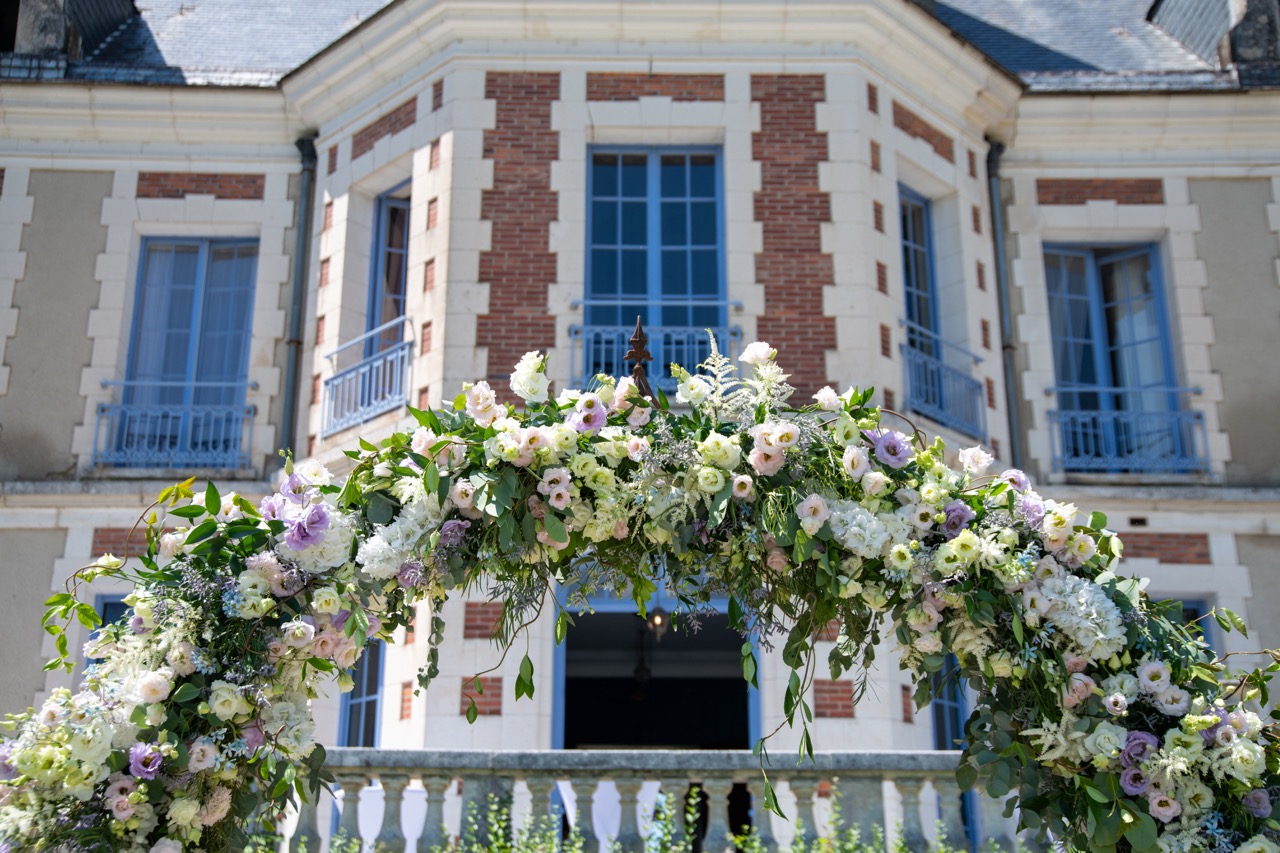
One of the most practical qualities of lisianthus is its remarkable versatility in floral design. It can serve as the statement flower in a bridal bouquet, or work quietly as a supporting filler around roses, peonies, or dahlias.
Not many flowers offer both roles convincingly. Lisianthus does. Its layered, multi-petalled blooms have the presence to anchor a design, while its branching stems and softer buds blend seamlessly into mixed arrangements.
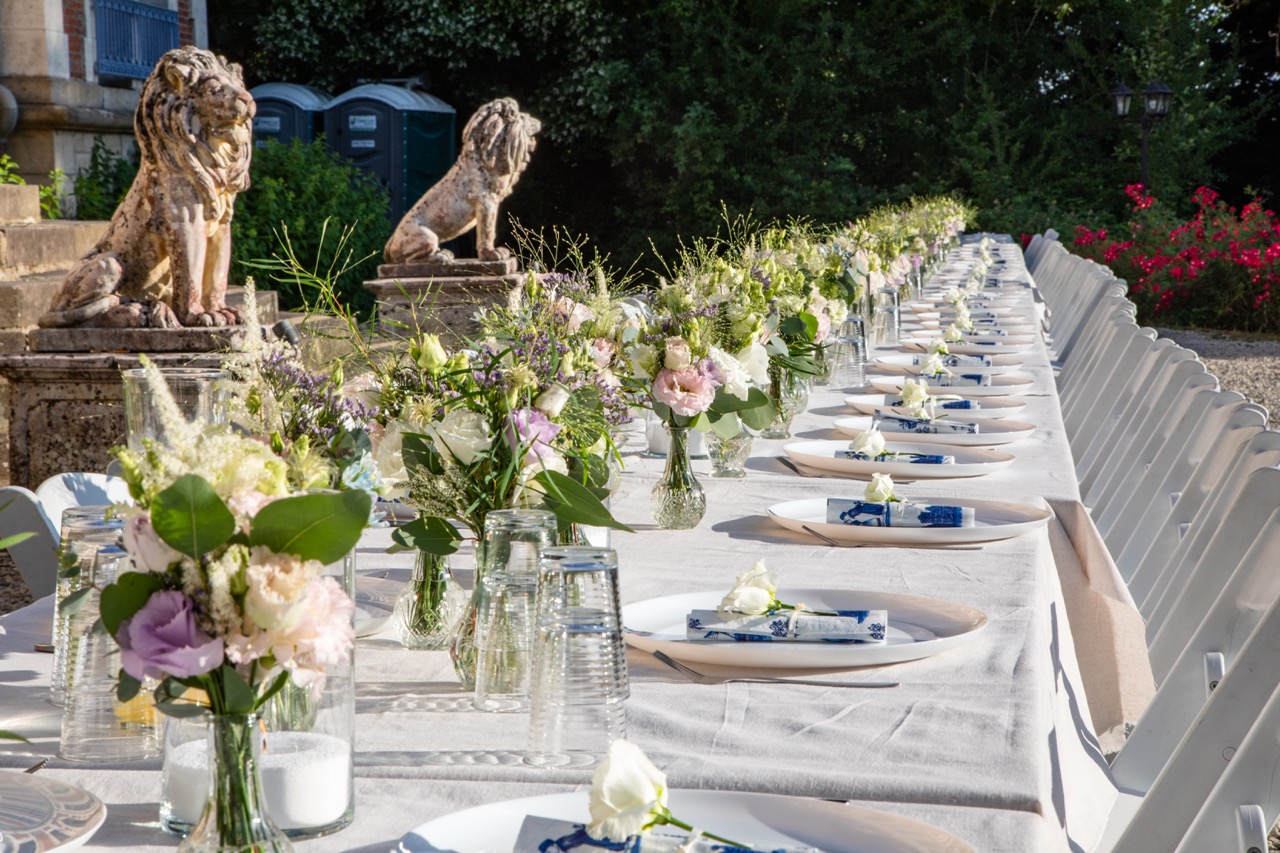
This dual role makes lisianthus an exceptionally efficient and creative choice for florists building wedding collections across bouquets, buttonholes, table centrepieces, and ceremony arches.
5. Multiple buds per stem: more blooms, more value
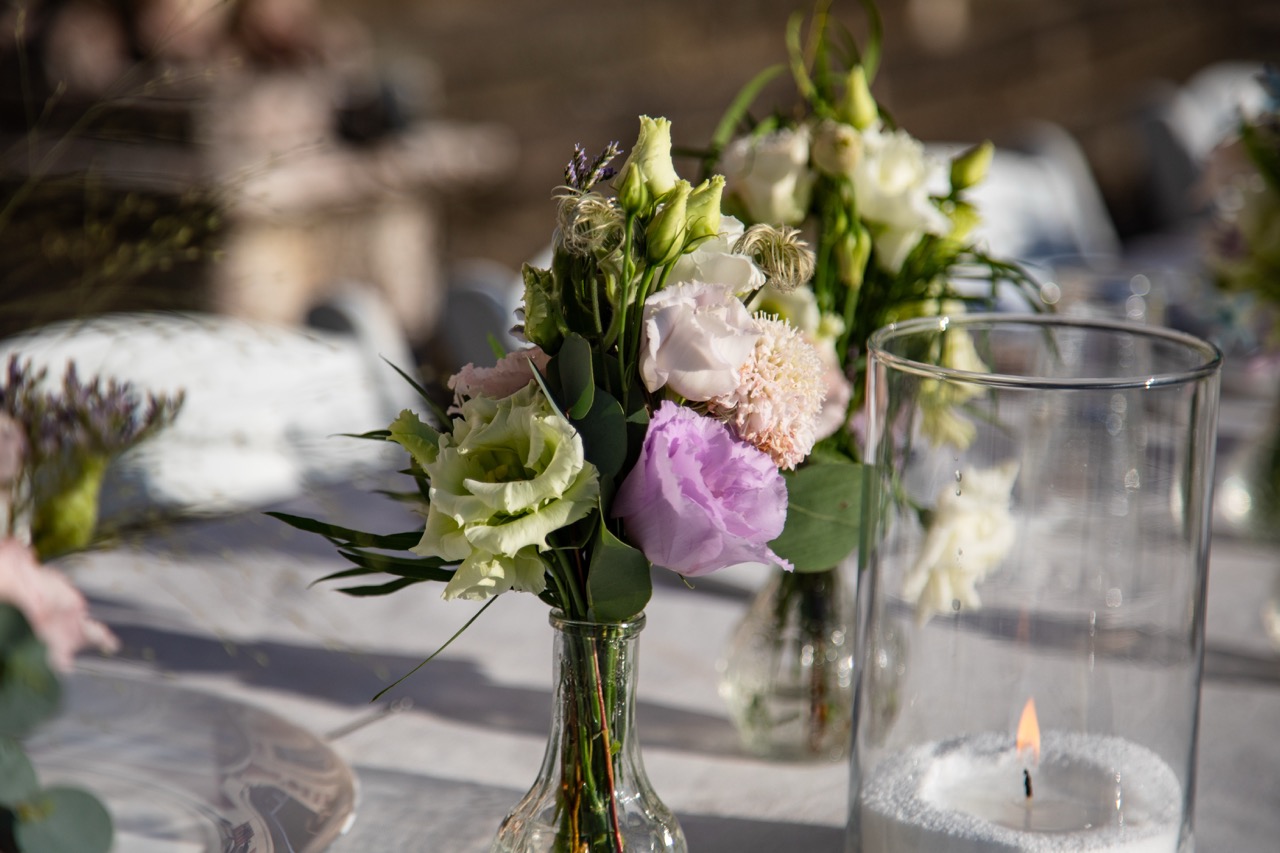
Each lisianthus stem carries multiple buds at different stages of development. As the first flowers open, the buds behind them are already on their way.
This means a single stem continues to develop and bloom over several days. For a wedding, this is a meaningful advantage. Table arrangements that look lush on the wedding day can still look full and fresh at a farewell brunch the following morning.
For florists, this bud-by-bud development also means excellent value — more blooms per stem translates directly to more impact per arrangement.
6. Looks like a rose, without being a rose
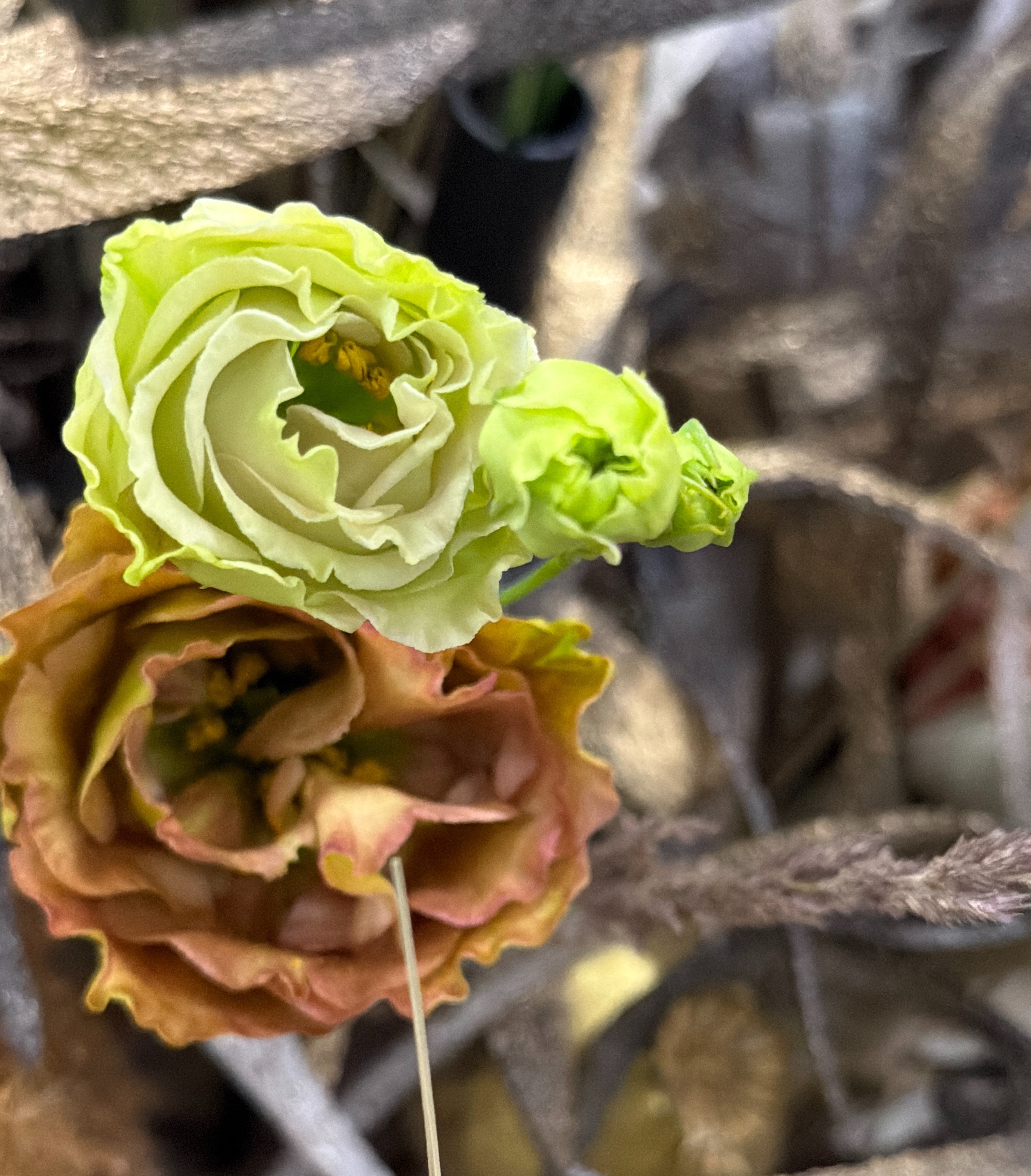
Lisianthus is often mistaken for a rose, a peony, or a ranunculus. Its full, layered petals and classic form carry the same romantic association that wedding couples look for.
This matters for couples who love the look of roses but want something a little different. Lisianthus offers that quiet distinction — familiar enough to feel timeless, yet unique enough to stand out in photographs and memories. For florists, working with a flower that carries this visual weight while offering its own distinct character opens up real creative possibilities.
7. A full colour palette for every wedding theme
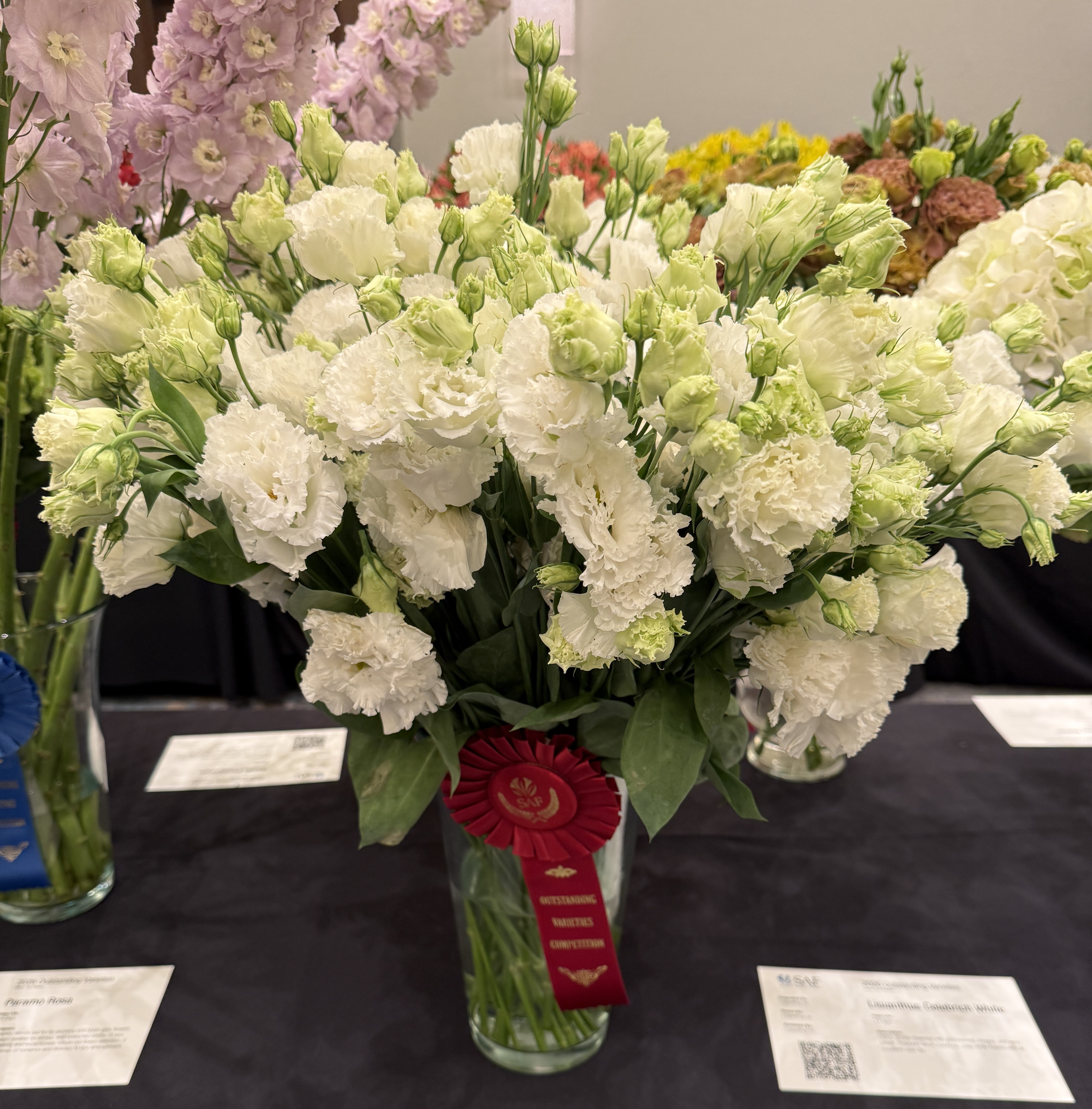
While the range of pink shades alone is remarkable, lisianthus goes far beyond pink. Pure white, ivory, lavender, deep purple, coral, and bicolour varieties with delicate petal edges are all part of the assortment.
This full palette means lisianthus fits every wedding colour story — from classic white and green, to boho terracotta, to contemporary moody purples. Florists working across different wedding styles will find lisianthus adapts naturally to each one. The availability of so many shades from Dutch-grown varieties also means consistent quality across the colour range.
8. Lightweight and easy to work with
From a florist's practical perspective, lisianthus is one of the more rewarding flowers to work with. The stems are light, flexible, and easy to cut and position. The branching structure allows for natural, flowing arrangements without excessive wiring or support.
For bridal bouquets, this lightness is especially valuable. A bouquet a bride carries for several hours should be comfortable. Lisianthus contributes volume and texture without adding weight.
Its cooperative nature in the hands of a designer is one reason so many professional florists — from competition champions to wedding specialists — return to lisianthus again and again.
9. Available year-round: whenever you say "I do"
Wedding planning rarely fits neatly into a single season. Couples get married in spring, summer, autumn, and winter. Lisianthus is available throughout the entire year, making it one of the few wedding flowers that is never off the table, regardless of the date.
Dutch growers produce lisianthus twelve months a year, ensuring a consistent supply of fresh, high-quality stems for every season. Whether the wedding is in February or August, florists can design with confidence knowing lisianthus will be there. That year-round availability removes one of the most common anxieties in wedding floristry: discovering that the flower you built the whole design around is simply not in season.
10. A sustainable choice from Dutch growers
The Netherlands is home to some of the most efficient and responsible flower growing in the world. Dutch lisianthus growers combine advanced cultivation techniques with a focus on responsible growing practices, producing a high-quality flower with a smaller environmental footprint than many long-haul imported alternatives. Choosing Dutch-grown lisianthus is not only a choice for quality. It is a choice that aligns with the values of couples who want their wedding to reflect care — for beauty, for people, and for the world around them.
Lisianthus at a glance: why it works for weddings
- Available in blush, rose, dusty pink, magenta, white, lavender, purple, and coral
- Heat and sun resistant — reliable in warm outdoor settings
- Vase life of ten days or more with good handling
- Works as both a statement flower and a filler
- Multiple buds per stem provide continued blooming
- Lightweight and easy to design with
- Available year-round from Dutch growers
- A sustainable, high-quality choice
Final thought
Lisianthus combines the look of something precious with the reliability of something truly professional. That is a rare combination in the world of wedding flowers — and exactly why florists who discover it tend to keep coming back.
Whether it plays the lead or supports the wider design, lisianthus brings something genuine to every wedding arrangement: beauty that holds, character that photographs, and a performance that does not let you down. Inspired to use lisianthus for a wedding?Explore the full variety range, find creative ideas in our inspiration gallery, and discover the latest news from Dutch lisianthus growers at Lisianthus.nl.
FAQ
Is lisianthus a good wedding flower?
Yes. Lisianthus is one of the most versatile and reliable wedding flowers available. It combines a romantic appearance with excellent vase life, heat resistance, and the flexibility to work as both a main flower and a filler in arrangements.
What colours does lisianthus come in for weddings?
Lisianthus is available in a wide range of colours including white, ivory, blush, soft pink, deep rose, magenta, lavender, purple, coral, and terracotta. Many varieties also feature delicate bicolour petal edges.
How long does lisianthus last as a wedding flower?
With proper care — a clean vase, fresh angled cut, leaves removed below the waterline, and placement away from direct sun and ripening fruit — lisianthus can stay fresh for ten days or more.
Can lisianthus be used outdoors in summer weddings?
Yes. Lisianthus is notably more heat and sun resistant than many other popular wedding flowers, making it a particularly strong choice for warm outdoor ceremonies and summer celebrations.
Is lisianthus the same as eustoma?
Yes. Lisianthus and eustoma are two names for the same flower. Both names are used in the floristry industry.
Where is most wedding lisianthus grown?
The majority of high-quality lisianthus used in floristry is grown in the Netherlands, which is known for its advanced and responsible cultivation practices.
.jpg)
